India’s EV Market Hits Record High: What the June 2026 Numbers Really Tell Us
Something big just happened in India’s automobile industry, and I don’t think it’s getting enough attention outside of core industry circles. In June 2026, India’s electric vehicle market didn’t just grow — it broke every previous record and crossed a milestone the industry has been chasing for years. I went through the numbers in detail, and in this blog, I’ll break down exactly what happened, why it matters, and what it tells us about where India’s EV story is headed.
The Headline Number: 3.06 Lakh EVs Sold in a Single Month
Let’s start with the big one. According to data released by the Federation of Automobile Dealers Associations (FADA), India’s electric vehicle retail sales touched an all time high of 3,06,220 units in June 2026. To put that in perspective, this is a jump of nearly 63% year-on-year, compared to 1,88,773 units sold in June 2025.
That’s not a small bump. That’s the kind of growth that tells you something has genuinely shifted in how Indian buyers are thinking about electric vehicles. And the timing makes it even more impressive , this record came during a period of delayed monsoon and what’s usually a seasonally weaker month for vehicle sales overall.
EV Penetration Crosses 12% for the First Time Ever
Here’s the number that really matters for the industry. For the first time in India’s automotive history, electric vehicles accounted for more than 12% of total vehicle retail sales in a single month. This is a huge deal because penetration numbers are what tell you whether EVs are still a niche product or genuinely becoming part of the mainstream.
FADA President C.S. Vigneshwar called June 2026 a defining month for India’s mobility transition, and honestly, the data backs that up completely. Crossing double-digit penetration isn’t just a symbolic win — it usually marks the point where an industry stops being “early adopter territory” and starts becoming a real, competitive part of the mass market.
Electric Two-Wheelers Are Still Leading the Charge
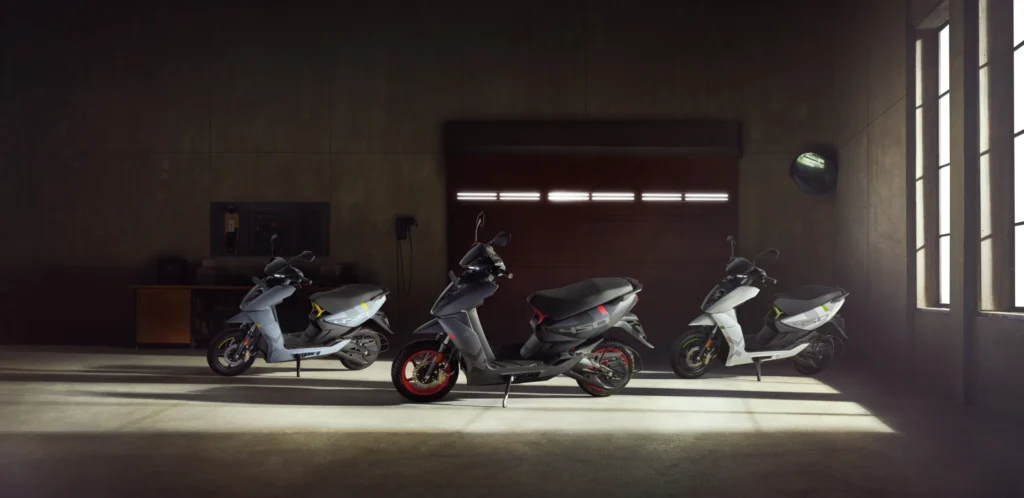
If you break the numbers down by category, electric two-wheelers remain the single biggest driver of this growth. In June alone, e2W retail sales reached 1,93,735 units, which is a 13.5% jump over May and a massive 75% rise compared to June last year. Penetration in this segment alone touched 10.6%, up from 9.3% in May and just 7% a year ago.
In terms of who’s winning this space, TVS Motor held on to the top spot with 47,064 units, followed closely by Bajaj Auto at 43,306 units and Ather Energy at 31,230 units. What’s interesting is that Hero MotoCorp posted one of the strongest annual growth rates among the major players, while Ola Electric actually saw a year-on-year decline in volumes, even though its numbers improved slightly compared to the previous month. That’s a shift worth watching, especially given how dominant Ola Electric used to be in this space just a couple of years ago.
Electric Passenger Vehicles Post Their Best-Ever Month
This is the segment I personally find most exciting, because it’s the one most Indian families interact with directly. Electric passenger vehicle sales hit 31,823 units in June, marking a 19.3% increase over May and an enormous 107.8% jump compared to the same month last year. Penetration in the passenger vehicle segment rose to 7.7%, which is still lower than two-wheelers, but the growth rate here is honestly more dramatic.
Looking at who’s selling the most electric cars in India right now, Tata Motors kept its leadership position with 12,187 units, followed by Mahindra & Mahindra at 7,766 units, JSW MG Motor India at 5,861 units, Maruti Suzuki at 1,919 units, and VinFast at 1,404 units. The presence of newer names like VinFast on this list also shows how quickly the competitive landscape is expanding beyond the traditional players.
Commercial Vehicles and Three-Wheelers Aren’t Far Behind
It’s easy to focus only on cars and scooters, but the commercial side of this story is just as important. Electric commercial vehicles posted their highest ever monthly sales in June, with 3,214 units sold .
A 33.9% rise over May and a 163.7% jump year-on-year. Penetration in this segment reached 3.53%, which is still relatively low, but the growth trajectory suggests this could be one of the faster-moving categories over the next couple of years.
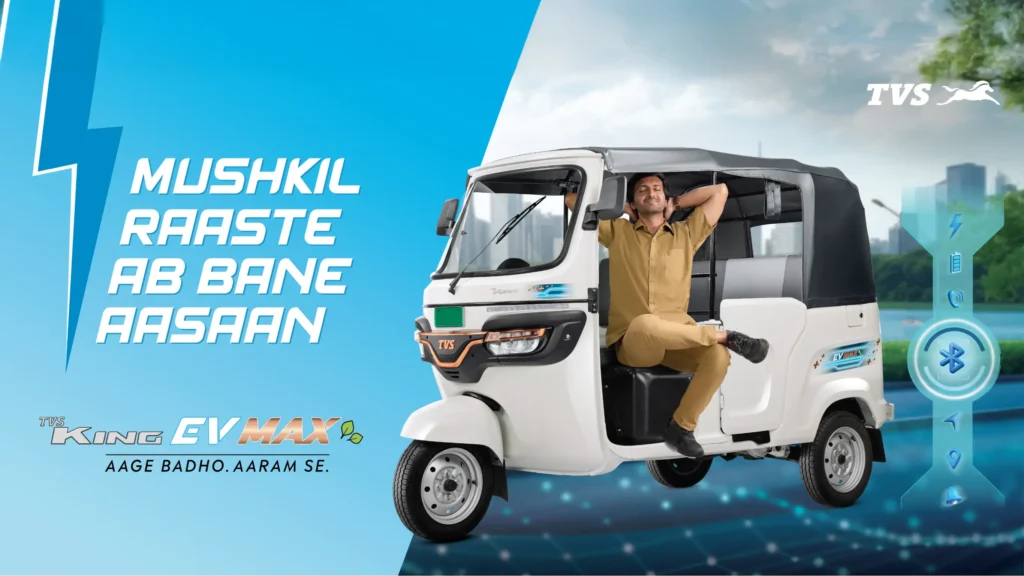
Electric three wheelers, meanwhile, continue to be India’s most electrified vehicle category by a wide margin. Retail sales in this segment rose to 77,448 units, up 7.8% over May and 27.4% year-on-year, with penetration crossing an incredible 64%. This segment has quietly been leading India’s EV transition for a while now, and it’s a good reminder that the electric revolution in India isn’t just about flashy SUVs – it’s happening in auto rickshaws and delivery vehicles too.
Why Is This Happening Now?
A few things seem to be coming together at the same time. Charging infrastructure has genuinely improved across major cities and highways over the past year, and manufacturers have finally started offering a wider range of products across different price points, rather than just one or two flagship models. Battery technology and range have also improved noticeably, which has helped ease some of the range anxiety that used to hold buyers back.
On top of that, state-level incentives, road tax exemptions, and lower running costs are making the math work better for everyday buyers, not just early adopters who could afford to experiment. All of this together seems to be pushing EVs from being a “nice to have” into being a genuinely practical choice for a much larger set of Indian consumers.
What This Means Going Forward
If June 2026 really does mark the moment EVs crossed into the mainstream, the next couple of years are going to be worth watching closely. Industry experts expect this growth to continue as domestic battery manufacturing scales up, more affordable models enter the market, and charging infrastructure keeps expanding into smaller towns and cities, not just metros.
India has been talked about as a potential major EV market for years now, but numbers like these are the first real proof that the shift isn’t just talk anymore. Whether this pace continues through the rest of 2026 remains to be seen, but for now, June’s numbers are a genuine milestone worth paying attention to.
Frequently Asked Questions
Q1. How many EVs were sold in India in June 2026? India recorded an all-time high of 3,06,220 EV retail units sold in June 2026, according to FADA data.
Q2. What was India’s EV penetration rate in June 2026? EV penetration crossed 12% of total vehicle retail sales for the first time in India’s history.
Q3. Which company sold the most electric cars in India in June 2026? Tata Motors led the electric passenger vehicle segment with 12,187 units sold, followed by Mahindra & Mahindra and MG Motor India.
Q4. Which EV segment has the highest penetration in India? Electric three-wheelers have the highest penetration, crossing 64% of total three-wheeler retail sales in June 2026.
Q5. Why did EV sales grow so much in June 2026? Growth was driven by improved charging infrastructure, wider product availability across price points, better battery range, and supportive state level incentives.
Our opinion
India’s EV market crossing 12% penetration isn’t just a number on a report — it’s a sign that electric mobility is finally becoming a real, mainstream choice for Indian buyers across two-wheelers, cars, and commercial vehicles alike. If this momentum holds, June 2026 might end up being remembered as the month India’s EV story truly changed gears.