
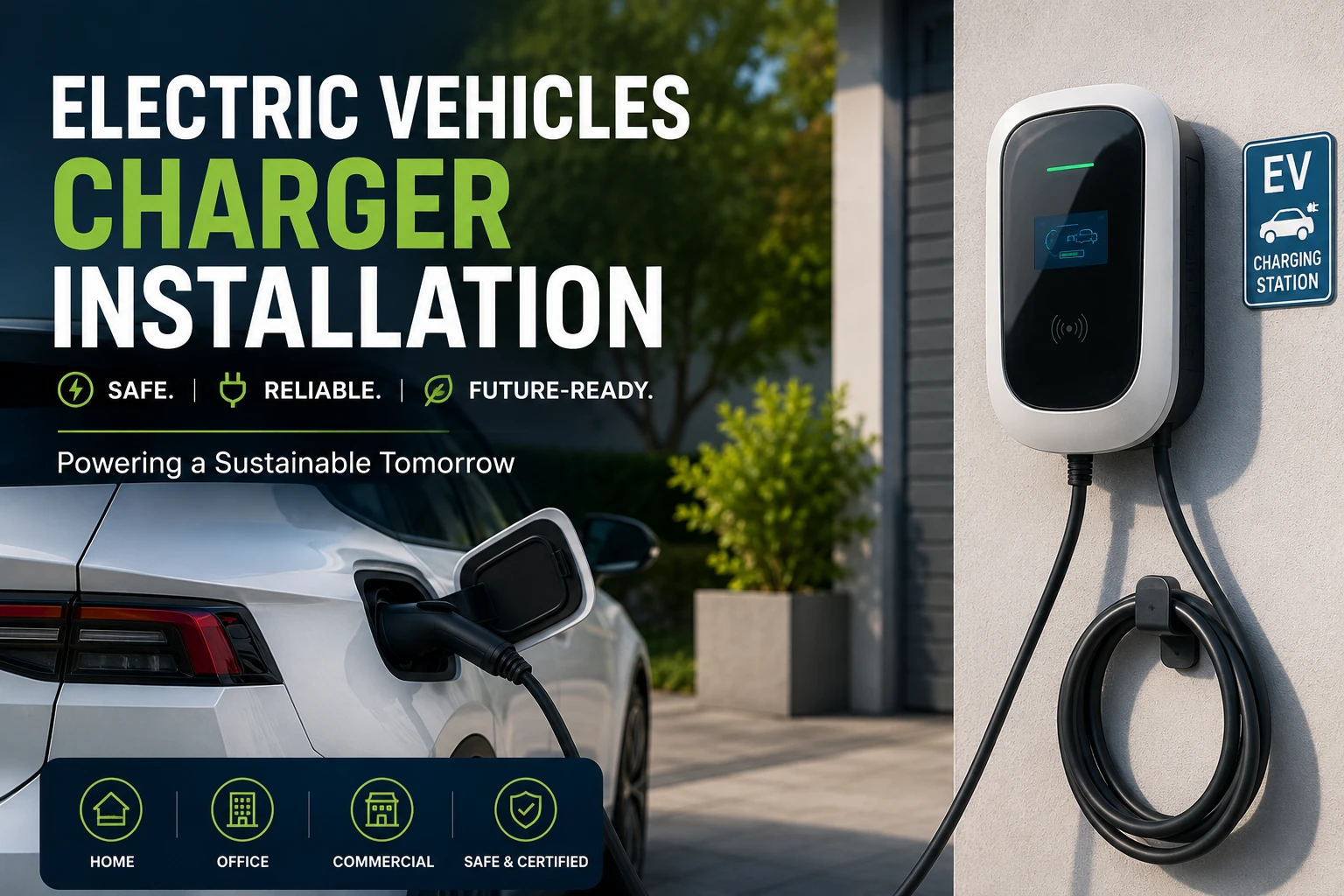
Electric Vehicle Charger Installation: Everything You Need to Know
As electric vehicles (EVs) become more popular worldwide, installing an electric vehicle charger at home or your business is no longer a luxury it’s a smart investment. A dedicated EV charger provides faster charging, greater convenience, improved safety, and can even increase property value.
Whether you’ve recently purchased an electric car or are planning to buy one, understanding the installation process can help you make the right decision.
In this guide, we’ll explain everything about electric vehicle charger installation, including charger types, costs, installation steps, safety requirements, and maintenance tips.
Why Install an EV Charger?
Many new EV owners initially rely on a standard household power outlet. While this works for occasional charging, it is extremely slow.
Installing a dedicated EV charger offers several benefits:
- Faster charging speeds
- Better electrical safety
- Convenient overnight charging
- Reduced dependence on public charging stations
- Smart charging features through mobile apps
- Higher property value
- Better energy efficiency
For most EV owners, home charging is the most convenient way to keep their vehicle ready every morning.
Types of Electric Vehicle Chargers
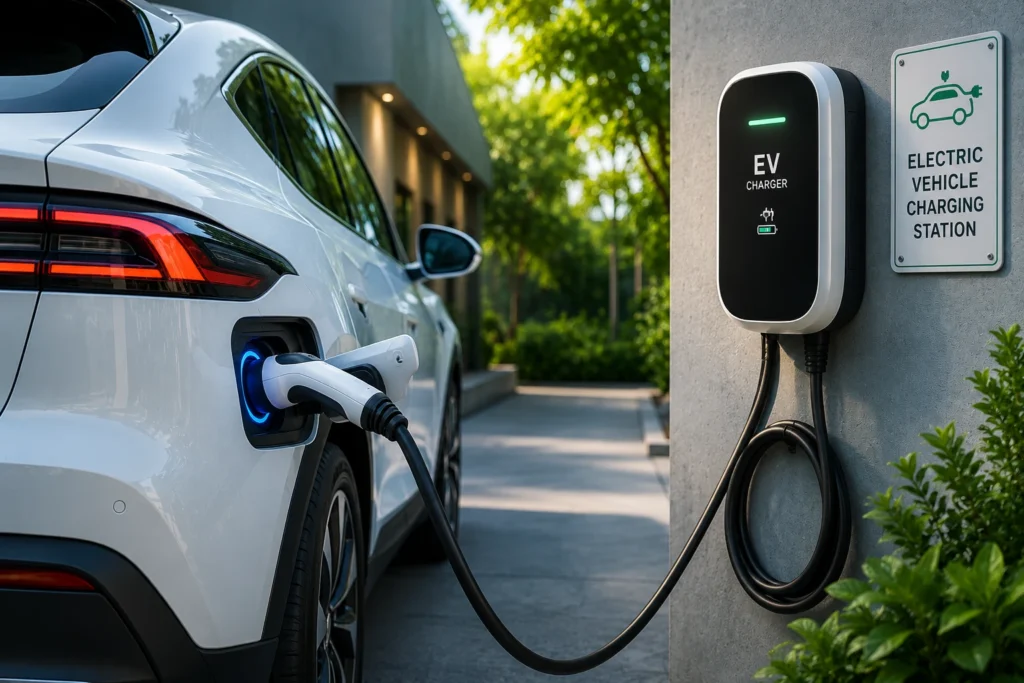
1. Level 1 Charger
Level 1 charging uses a standard household outlet.
Charging Speed
- 3–8 km (2–5 miles) of range per hour
Best For
- Daily short-distance driving
- Plug-in hybrid vehicles
- Occasional charging
Pros
- No installation required
- Lowest cost
- Easy to use
Cons
- Very slow charging
- Not ideal for long daily commutes
2. Level 2 Charger
A Level 2 charger is the most popular option for homes.
It requires a dedicated 240V electrical circuit and professional installation.
Charging Speed
- 25–70 km (15–45 miles) of range per hour
Best For
- Homeowners
- Apartments with dedicated parking
- Small businesses
Advantages
- Much faster charging
- Smart scheduling
- Wi-Fi connectivity
- Energy monitoring
- Future-ready solution
3. DC Fast Charger
DC fast chargers are primarily used for commercial locations.
These chargers can recharge most EV batteries from around 20% to 80% in approximately 20–40 minutes, depending on the vehicle and charger power.
They are commonly installed at:
- Highway service stations
- Shopping malls
- Fleet depots
- Public charging networks
Step-by-Step EV Charger Installation Process
Step 1: Choose the Right Charger
Before installation, consider:
- Your EV model
- Battery capacity
- Daily driving distance
- Charging speed requirements
- Future vehicle upgrades
Step 2: Inspect Your Electrical System
A qualified electrician should inspect your home’s electrical panel to determine:
- Available electrical capacity
- Panel condition
- Wiring requirements
- Breaker availability
Some homes may require an electrical panel upgrade before installing a charger.
Step 3: Select the Installation Location
The ideal charger location should be:
- Close to the parking space
- Protected from weather (if possible)
- Easily accessible
- Near the electrical panel to reduce installation costs
Step 4: Install Dedicated Circuit
Most Level 2 chargers require:
- Dedicated breaker
- Proper grounding
- Heavy-duty wiring
- Electrical safety protection
This ensures safe and reliable operation.
Step 5: Mount the Charger
The charger is securely mounted on the wall or a pedestal.
Cable management accessories can help keep the charging area neat and safe.
Step 6: Testing and Commissioning
The electrician should test:
- Voltage
- Grounding
- Charging speed
- Safety protection
- Smart connectivity
Once testing is complete, the charger is ready for everyday use.
EV Charger Installation Cost
The total installation cost depends on several factors:
- Charger model
- Electrical upgrades
- Wiring distance
- Labor charges
- Local regulations
- Mounting requirements
A simple installation costs much less than one requiring a new electrical panel or long cable runs.
Factors Affecting Installation Cost
Several factors influence the final price:
- Distance from electrical panel
- Existing wiring quality
- Electrical panel capacity
- Indoor vs. outdoor installation
- Wall material
- Local labor costs
- Permit requirements
Home vs Commercial Charger Installation
Home Installation
Ideal for:
- Individual homeowners
- Daily charging
- Overnight charging
- Personal EVs
Benefits include convenience, lower charging costs, and charging whenever needed.
Commercial Installation
Businesses may install chargers for:
- Employees
- Customers
- Fleet vehicles
- Public charging services
Commercial chargers often include payment systems, usage tracking, and multiple charging ports.
Safety Tips
Always follow these safety practices:
- Hire a licensed electrician.
- Never overload existing circuits.
- Use certified charging equipment.
- Inspect cables regularly.
- Keep connectors clean and dry.
- Avoid using extension cords.
- Follow manufacturer instructions.
Proper installation greatly reduces electrical risks.
Smart EV Chargers
Modern EV chargers include features such as:
- Wi-Fi connectivity
- Mobile app control
- Charging schedules
- Energy usage reports
- Load balancing
- Solar power compatibility
- Automatic software updates
These features help users save energy and reduce electricity costs.
Maintenance Tips
EV chargers require minimal maintenance.
To keep your charger in good condition:
- Clean the connector regularly.
- Inspect cables for wear or damage.
- Keep the charging port dry.
- Update firmware when available.
- Test the charger periodically.
- Remove dust from vents and enclosures.
Common Installation Mistakes
Avoid these common errors:
- Choosing the wrong charger capacity
- DIY electrical installation
- Ignoring electrical panel limitations
- Poor cable management
- Installing in inaccessible locations
- Using uncertified equipment
Professional installation helps prevent these problems.
Future of EV Charging
The EV charging industry continues to evolve rapidly.
Upcoming innovations include:
- Ultra-fast charging
- Wireless charging
- Vehicle to Home (V2H)
- Vehicle to Grid (V2G)
- AI-powered smart charging
- Solar integrated charging systems
- Bidirectional charging
These technologies will make EV ownership even more convenient and efficient.
Conclusion
Installing an electric vehicle charger is one of the best investments for EV owners. It provides faster charging, greater convenience, improved safety, and long-term savings. While installation costs vary depending on your electrical setup and charger type, a professionally installed Level 2 charger is the ideal solution for most homes.
As electric vehicles become increasingly common, having a reliable home or business charging solution will be an essential part of modern transportation. Choosing the right charger and working with a qualified installer ensures years of safe and efficient charging.
Frequently Asked Questions (FAQs)
1. How long does EV charger installation take?
Most standard home installations are completed within 2–6 hours, depending on the electrical work required.
2. Do I need a licensed electrician?
Yes. Professional installation ensures safety and compliance with local electrical codes.
3. Which charger is best for home use?
A Level 2 charger is the best option for most homeowners because it offers significantly faster charging than a standard outlet.
4. Can I install an EV charger outdoors?
Yes. Many EV chargers are weather-resistant and designed for safe outdoor installation.
5. Does installing an EV charger increase home value?
It can. As EV adoption grows, dedicated charging infrastructure is becoming an attractive feature for many homebuyers.
you may like-
BMW Completes $1.7 Billion U.S. EV Investment: A Big Step Toward the Future of Electric Cars
1 thought on “EV Charger Installation: Home and Business Guide”